
Geotextile Gravel Services
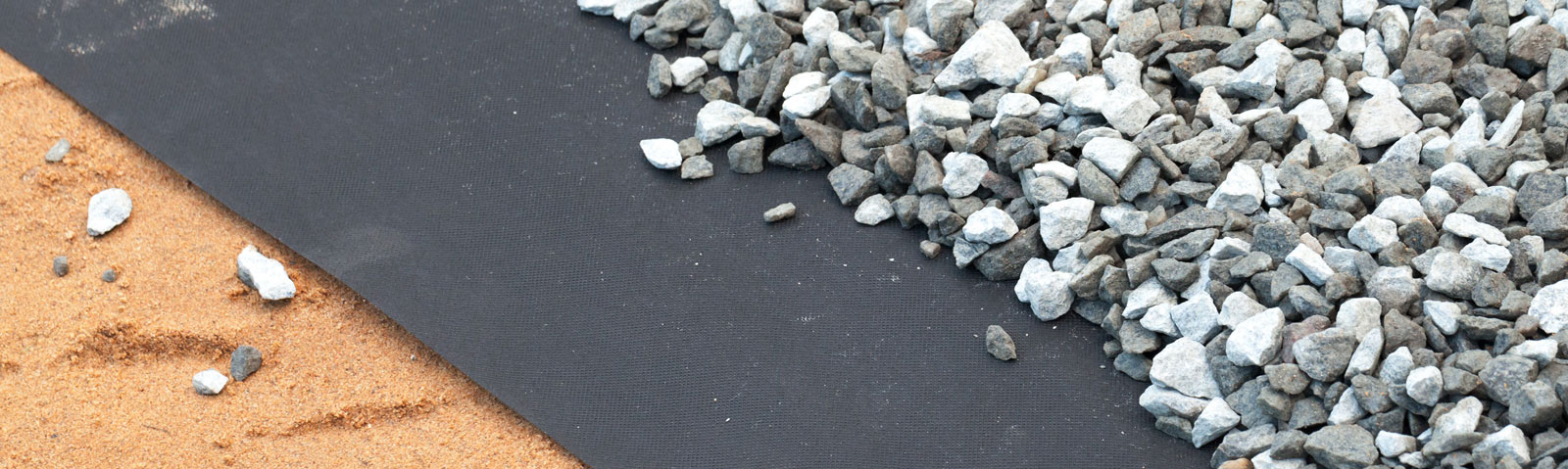
Geotextile gravel services enhance the durability and stability of unpaved surfaces by using a geotextile fabric layer beneath the gravel. This method improves load distribution, reduces rutting, and prevents gravel from sinking into the soil, making it an ideal solution for driveways, parking areas, and roads with poor subgrade conditions. It also enhances drainage and minimizes maintenance needs, ensuring a longer-lasting, more resilient surface

Benefits of Geotextile Gravel
- Improves gravel stability and load support
- Reduces erosion and surface shifting
- Enhances drainage for long-term durability

Applications of Geotextile Gravel
- Driveways and private roads
- Landscaping and erosion control
- Agricultural and farm access paths

How Geotextile Fabric Works
- Separates soil and gravel to prevent mixing
- Reinforces the surface for added strength
- Allows water to pass through while stopping soil migration
Life Expectancy & Durability
When properly installed, geotextile fabric can last 20 years or more, depending on site conditions, material quality, and usage. It’s highly durable and designed to withstand moisture, pressure, and soil movement.
Is geotextile gravel environmentally friendly?
Yes, geotextile gravel is an eco-friendly solution. It improves drainage, reduces the need for frequent gravel replacement, and minimizes erosion—helping to protect surrounding landscapes and waterways.
What types of projects require geotextile gravel?
Common uses include residential driveways, garden and farm pathways, gravel parking lots, retaining wall support, and drainage systems—anywhere surface stability and erosion control are important.
How does geotextile fabric improve gravel performance?
The fabric acts as a barrier between the soil and gravel, preventing the gravel from sinking and mixing with the subgrade. This helps maintain a stable, level surface and extends the lifespan of the gravel.